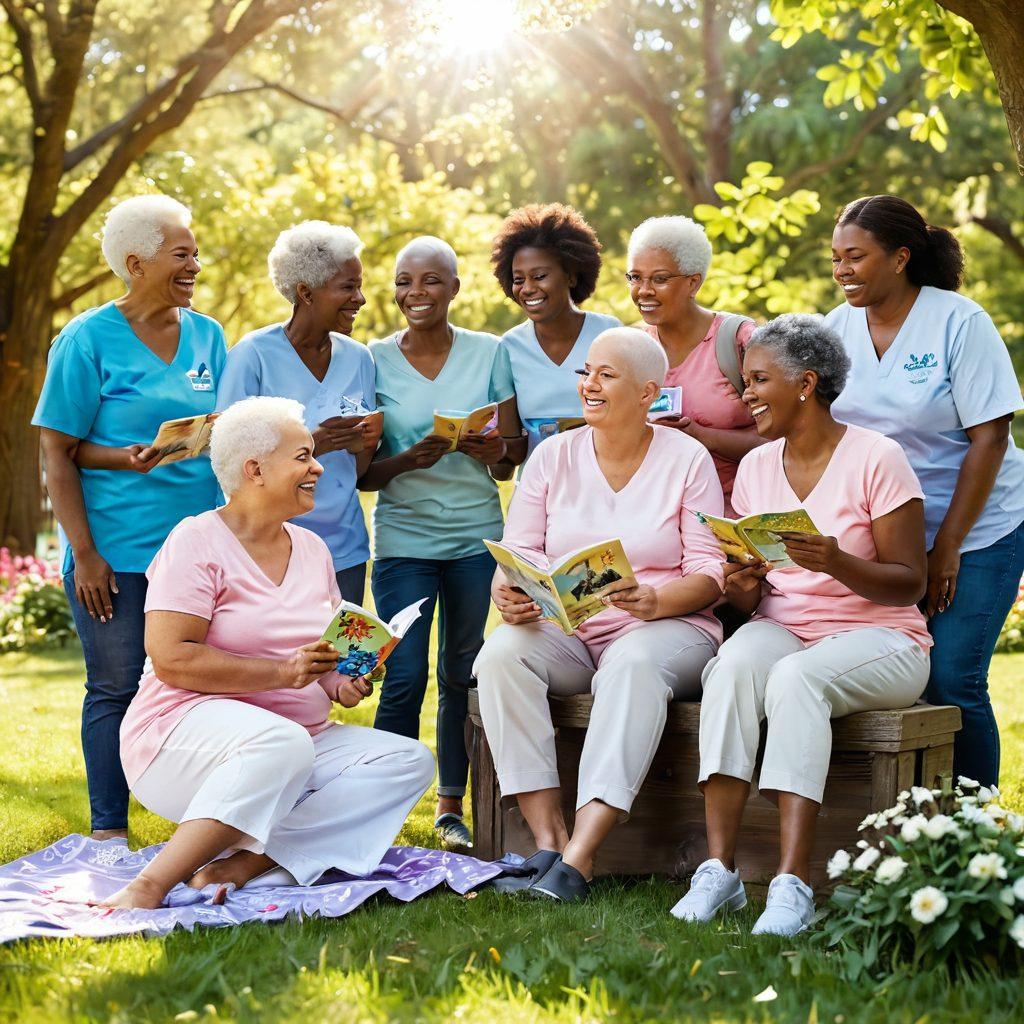
Empowering Cancer Survivors: Navigating Treatment Options and Support Resources
When it comes to cancer treatment, the journey can feel overwhelming—like being caught in a tumultuous storm with no clear path in sight. However, for cancer survivors, navigating the various treatment options can be empowering, as every decision made contributes to reclaiming their health and wellness. From traditional chemotherapy to innovative immunotherapy, understanding the landscape of oncology treatments can help patients and their advocates make informed choices that resonate with their individual needs and circumstances. So let's explore these innovative treatment options that not only combat malignant tumors but also support the holistic wellness of cancer survivors.
Chemotherapy and radiation therapy have long been cornerstones in the battle against cancer. These aggressive treatments target rapidly dividing cells, making them effective against neoplasms—both malignant and benign. Yet, they often come with a slew of side effects that can impact a patient’s quality of life. Enter immunotherapy, a cutting-edge approach that harnesses the body’s own immune system to fight cancer. Imagine your immune system as a superhero, capable of recognizing and responding to tumor cells. The beauty of immunotherapy lies in its ability to provide targeted treatment with potentially fewer side effects. Have you ever wondered what it feels like to have your body 'supercharge' its natural defenses?
Clinical trials offer another exciting option for cancer survivors. These studies not only provide access to new treatments but also contribute to the advancement of oncology research. It’s a chance for patients to be part of something bigger, to help unravel the mysteries of cancer and possibly pave the way for more effective treatments. Patient advocacy plays a critical role here, guiding individuals through the labyrinth of clinical trials, helping them understand cancer risk factors, and encouraging them to ask vital questions—because every cancer survivor deserves a voice in their treatment journey. Are you ready to advocate for your own health choices?
Standard treatment options such as chemotherapy, radiation therapy, and immunotherapy are just the tip of the iceberg. Palliative care, too, deserves mention as it plays a crucial part in providing comfort and symptom management during and after treatment. It’s about ensuring that cancer survivors experience the best possible quality of life, regardless of their prognosis. Coupled with lifestyle changes and nutritional support, this can significantly impact a survivor's overall health. Have you considered the role that nutrition and lifestyle play in your recovery?
Beyond treatment, the emotional aspect of survivorship cannot be overlooked. Support groups offer a sanctuary—a space for individuals to share their experiences and coping strategies. Engaging with others who have faced similar challenges can provide a sense of community and reduce the isolation often felt during the healing process. Together, these resources forge a path toward holistic health. For every cancer survivor, the journey is unique, and asking for help during difficult times is a testament to strength and resilience. What steps are you taking today to foster your own wellness?
Building a Strong Support Network: Resources for Cancer Survivors
When faced with a cancer diagnosis, the journey ahead can seem daunting and lonely. But as the old adage goes, 'It takes a village' — and for cancer survivors, this village can offer a powerful shield against the many challenges that arise during and after treatment. Building a strong support network is crucial for survivors to navigate their treatment options, cope with their symptoms, and embrace a lifestyle that enhances their wellness. In this blog, we explore resources available for cancer survivors and how they can bolster your journey toward healing and survivorship.
Support groups form the backbone of community resources available to cancer survivors. These groups provide a safe space for sharing experiences, discussing treatment options, and venting frustrations. ‘You're not alone in this,’ a phrase often echoed in these gatherings, resonates deeply. These connections help survivors realize that their journey through radiation therapy or immunotherapy is shared by many. Each member brings unique insights into coping strategies, from managing side effects of chemo to exploring clinical trials that harbor innovative approaches for tumor management. What if you discovered a group that motivated you to take charge of your health in ways you never thought possible?
Patient advocacy can also play a pivotal role in fostering a supportive environment. Empowering oneself with knowledge about neoplasms, benign versus malignant tumors, and their respective treatment pathways is essential. Advocates guide survivors through the often-complex oncology landscape, ensuring they make informed choices about their health. Consider attending workshops or seminars that educate on cancer risk factors and screening tests. Wouldn't you agree that knowledge empowers us to face our fears head-on?
Beyond medical support, palliative care warrants attention. It's more than just managing symptoms; it's about enhancing the quality of life for cancer survivors. Engaging with palliative support allows individuals to focus on holistic health, incorporating nutritional support and lifestyle changes that can significantly improve overall well-being. Imagine the comfort of knowing that your health encompasses more than just tumor removal – it’s about nurturing your body and spirit post-treatment. How can you start prioritizing your well-being today?
As you build your support network, remember that personal stories and shared experiences can be your guideposts. Survivorship is not just surviving the illness — it’s thriving thereafter. By reaching out, connecting with others, and embracing community resources, you can navigate through the complexities of your post-cancer journey. It's never too late to seek out help. Shouldn’t every survivor have access to the resources they need to reclaim their health and happiness? The conversation starts here; allow us to be part of your healing journey.
Empower Your Wellness Journey: Lifestyle Changes and Nutritional Support for Survivorship
As a cancer survivor, navigating the post-treatment world can feel like walking a tightrope. You’ve faced the relentless grip of oncology treatments, battling malignant tumors through chemotherapy, radiation therapy, or perhaps even immunotherapy. While the physical struggle is often taxing, the emotional and psychological journey is equally demanding. However, just as a plant responds to nurturing light and water, so too can cancer survivors cultivate their wellness through lifestyle changes and nutritional support. The path to survivorship is not solely about managing symptoms; it’s about thriving through newfound health.
Think back to your treatment days. Were there moments when you felt like a warrior, capable of conquering the neoplasm that plagued your body? It is these moments of resilience that carry through to your wellness journey. Alleviating the side effects of treatments like chemo or radiation therapy takes more than just medical follow-ups. It calls for a comprehensive approach that addresses your holistic health. Diet and lifestyle are pillars supporting your well-being, creating a strong foundation to combat cancer risk factors and foster long-lasting health habits. Remember, 'Health isn’t just the absence of disease; it’s the presence of vitality.'
Have you ever wondered how the foods you consume can impact not just your physical body but your mental fortitude as well? Nutritional support plays a vital role in the aftermath of cancer treatments. Aiming for a balanced diet rich in antioxidants, fiber, and essential nutrients can help bolster your immune system and improve overall vitality. Incorporate vibrant fruits, leafy greens, whole grains, and lean proteins into your meals, and witness how the simplest choices can empower your wellness journey. Planning meals can become an enjoyable event; gather recipes that match your cravings, and don’t hesitate to explore cooking classes within community resources that focus on healthful eating!
Beyond what you put into your body, adopting lifestyle changes can yield transformative results. Engage in physical activities that resonate with you, whether that's yoga, walking, or even joining a local hiking group. Such activities not only assist in physical rehabilitation but also forge mental resilience. Engaging in support groups can provide a space to share coping strategies and build connections with fellow survivors. Remember, you don’t have to navigate this journey alone. 'Community is medicine,' as the saying goes, and finding people who understand can be one of the most empowering forms of palliative support.
As you continue on your wellness journey, prioritize regular check-ups and screening tests. They are crucial to early detection and can alleviate concerns about potential recurrences. Remind yourself that survivorship isn’t just about surviving cancer; it’s about integrating those experiences into your overall life narrative. Through patient advocacy, you can stay informed about your unique situation and the latest clinical trials that may be accessible to you. Life after battling cancer can be a vibrant chapter filled with possibility. Embrace it, empowered by the choices you make each day towards your health and wellness. How will you take charge of your journey today?